
Reference guide

Drywall Finish Levels Explained

Levels 0 through 5 in plain language, what each one suits, and the three situations where paying for Level 5 is genuinely worth it.

  • Level 4 is the residential standard
  • Level 5 only where it shows
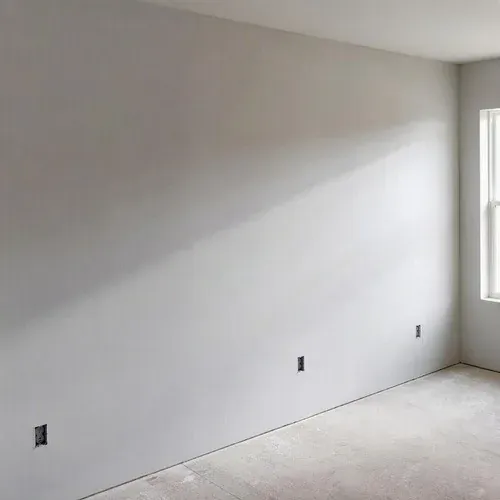
Sanded and feathered seams checked under raking work light, ready for primer

The six levels

These are the industry-standard levels defined by the gypsum association and used across the trade. Your quote should state which one it is priced to.

Level 0

No finishing at all

What it involves
Board hung, nothing taped. No tape, no compound, no accessories.
What it suits
Temporary construction, or a space where the final layout has not been decided yet.
Typical use
Almost never in a finished space.
Level 1

Tape embedded only

What it involves
Tape set in compound at every joint and interior angle. Ridges and tool marks acceptable.
What it suits
Concealed areas: plenum spaces above ceilings, service corridors, attics.
Typical use
Fire-rated smoke barriers in commercial buildings where nobody will see the surface.
Level 2

One coat over tape

What it involves
Tape embedded plus one separate coat over all joints, angles and fastener heads.
What it suits
Garages, warehouses, and any surface that will be tiled over.
Typical use
Behind tile in a garage or utility room, where the tile does the visual work.
Level 3

Two coats

What it involves
Two separate coats over joints and fasteners, with all compound smooth and free of tool marks.
What it suits
Surfaces receiving heavy texture, or medium-to-heavy wall coverings.
Typical use
A ceiling that is about to be sprayed with knockdown or orange peel texture.
Level 4

Three coats — the residential standard

What it involves
Three separate coats with sanding between, feathered wide so the joint disappears under paint.
What it suits
Flat, matte and eggshell paint. Light textures. The large majority of living spaces.
Typical use
Bedrooms, hallways, family rooms and finished basements. This is what most Niagara homes get.
Level 5

Skim coat over everything

What it involves
Everything in Level 4, plus a thin skim coat of compound across the entire surface, not just the joints.
What it suits
Gloss and semi-gloss paint, very large uninterrupted walls, and rooms with strong raking light.
Typical use
A great room with a west-facing window wall, or any room getting semi-gloss.
The honest advice

Why we talk people out of Level 5

Level 5 adds a full skim coat across every square foot of surface, not just the joints. It is the difference between finishing the seams and finishing the wall.

Outside of gloss paint, very large walls and raking light, it is money you will not see. A contractor who upsells a skim coat for a basement rec room is not doing you a favour, and we will say so on site rather than quoting it quietly.

Where it does matter, it matters a lot. A west-facing window wall in a Port Dalhousie renovation, a double-height great room, anything getting semi-gloss — in those rooms Level 4 joints will read as faint bands once the light hits them at the wrong angle.

What the upgrade costs · How we tape and finish

How to decide, in three questions

  1. What sheen is the paint?

    Flat, matte or eggshell means Level 4 is fine. Satin is borderline. Semi-gloss or gloss means Level 5, because sheen reveals everything underneath it.

  2. How big is the wall, uninterrupted?

    A wall broken up by doors, windows and furniture hides a lot. A twenty-foot unbroken run with nothing on it hides nothing.

  3. Where does the light come from?

    Light striking a wall at a shallow angle is the enemy of any joint. If a large window throws afternoon light along a wall rather than at it, budget for Level 5 on that wall.

Questions about drywall finish levels

What level do most homes actually need?

Level 4. It suits flat, matte and eggshell paint, which is what the large majority of Niagara homes use. Bedrooms, hallways, family rooms and finished basements are all Level 4 work.

When is Level 5 genuinely worth the money?

Three situations. Gloss or semi-gloss paint, because sheen reveals everything underneath it. Very large uninterrupted wall runs, where there is nothing to break up the plane. And rooms where strong side light rakes across a wall from a big window.

How much more does Level 5 cost?

Roughly $0.60 to $1.20 per square foot of board surface on top of Level 4, because the skim coat is an extra pass across the entire surface rather than just the joints, plus extra sanding and drying time.

Can I ask for Level 5 in some rooms and Level 4 in others?

Yes, and it is often the sensible call. Level 5 the great room with the window wall, Level 4 everywhere else. We quote it that way regularly.

Is a primer coat the same as a Level 5 skim?

No, though high-build primers are sometimes sold as a cheaper alternative. They help, but they do not level a surface the way a genuine skim coat does. On a wall with raking light, the difference is visible.

What happens if I paint gloss over a Level 4 wall?

The joints will likely show as slightly raised bands under the sheen, particularly in side light. It is the most common finish-level regret, and it is expensive to correct after painting.

Not sure which level your project needs?

Tell us the room, the paint and where the windows are. We will tell you which level it warrants, including when the answer is the cheaper one.

Call (289) 723-3544