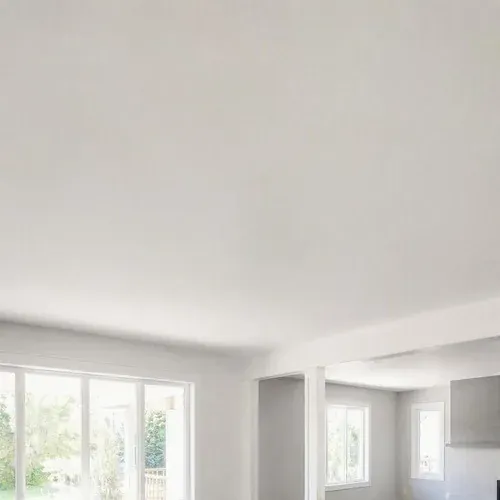
Popcorn Ceiling Removal
Stipple and popcorn texture removed, ceilings skimmed flat and left paint-ready. Asbestos testing first on pre-1990 texture.
Popcorn Ceiling Removal ›
St Catharines Elite Drywall repairs and matches textured ceilings and walls across the Niagara Region, covering stipple and popcorn, knockdown, orange peel, swirl and pattern finishes, and hand-applied skip trowel textures. We work for homeowners, landlords and property managers from St. Catharines and Thorold through Niagara Falls, Welland and the surrounding towns.
Texture matching is genuinely difficult and worth understanding before you hire anyone. The result depends on aggregate size, spray pressure, the nozzle used, the distance and speed of the applicator's hand, and how much your ceiling has aged and been repainted since. A good match lands between 85 and 95 percent, normally invisible in room light and occasionally detectable under strong raking light.
Anyone promising a perfect match has not done enough of this work. Where matching will not be good enough for the room, we retexture the full surface or remove the texture entirely for a smooth finish. More than twenty years, over 1,500 completed jobs, fully insured.
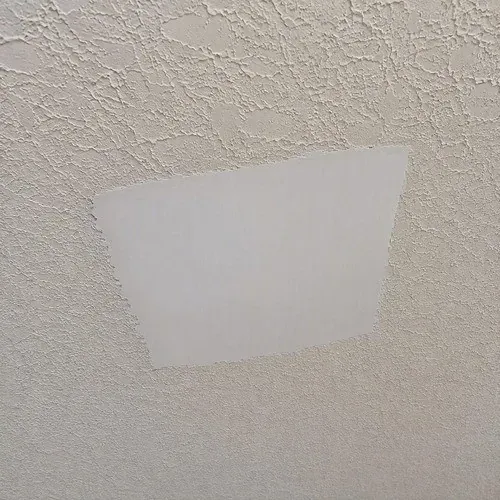
Somewhere on your ceiling there is a patch, a crack or a hole, and around it is a texture you would like the repair to disappear into.
Matching that texture is the entire job. Everything else is straightforward drywall work.
The first thing most people want to know is what they actually have. These are the patterns we see across Niagara homes.
Sprayed, with a coarse bumpy surface. Popcorn is the heavier, more pronounced version. By far the most common ceiling finish in homes built here between the 1960s and the early 1990s.
Sprayed on, then flattened with a wide blade once it has begun to set. Produces a mottled, slightly flattened pattern with soft irregular plateaus. Common in homes from the 1990s onward.
A fine, even spatter with no flattening. Subtle. More common on walls than ceilings, and frequently found in newer builds and condominiums.
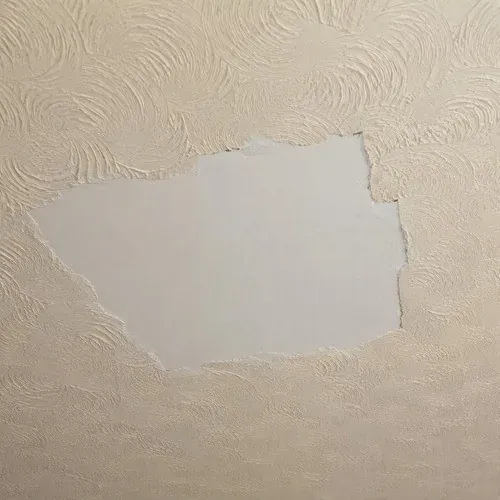
Applied by hand with a brush or a trowel in repeating arcs or fans. Older and less common in this region, and the hardest of the group to reproduce convincingly because it depends entirely on an individual's hand.
Material troweled on in irregular passes to leave a varied surface. Generally found in higher-end or custom homes.
If you are not sure which of these you have, send a photo taken close up with light coming across the surface from one side. That angle reveals the pattern far better than a straight-on shot.
It is reasonable to assume that if the material is still sold, the texture can be reproduced. It is not that simple.
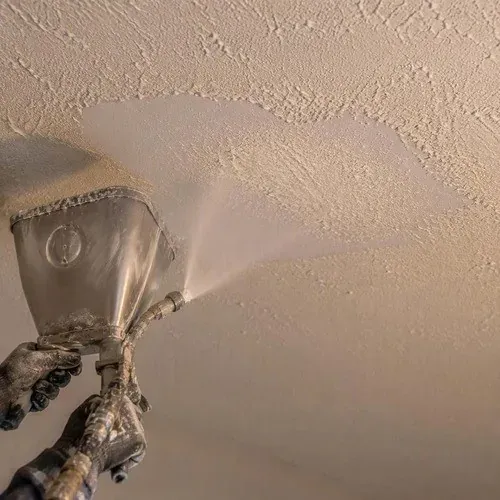
Texture depends on the product and the aggregate size in the mix, the amount it was thinned, the pressure and nozzle used, the distance the applicator held the gun from the surface, and how quickly they moved. Those last two are a person's hand, and no two people spray identically.
Then there is age. Your ceiling has been painted, possibly several times, which has softened the edges of the texture and filled some of its depth. It has also collected decades of settled dust and been changed by light exposure.
So even the same product, applied today by the same method, will not behave exactly as it did thirty years ago on that surface.
Here is the number nobody else in this region will put in writing.
A good texture match, done by someone experienced, typically lands between 85 and 95 percent.
In practice that means: usually invisible under normal room lighting, occasionally noticeable under strong raking light if you know exactly where to look, and essentially never something a visitor or a prospective buyer would spot.
Anyone who promises you a perfect, undetectable match has not done enough of this work to know better. We would rather set the expectation accurately at the quote than have you inspecting the ceiling under a flashlight afterwards.
That candour is not a disclaimer. It is the most useful thing on this page, because it lets you make an informed decision about which of the options below to take.
Match the patch when:
Retexture the whole surface when:
The second option costs more and removes the matching problem entirely, because the whole surface is new and therefore uniform by definition.
There is a third route worth mentioning: remove the texture altogether and go smooth. If you did not like the texture anyway, the repair becomes the excuse to update the room. See popcorn ceiling removal.
A detail that catches people out, and it is worth knowing before you book a painter.
A fresh patch absorbs paint differently to a surface that has been coated and aged for twenty years. Even when the texture matched perfectly, spot-painting the repair often leaves a visible difference in sheen. The patch reads as a slightly different shade under certain light, which is frustrating after paying for careful texture work.
The fix is simple. Paint the affected surface corner to corner rather than spotting the repair. On a ceiling that means the whole ceiling, not the patch.
We will tell you this at handover, and we are happy to recommend painters across the region who are used to working behind us.
What moves the number: the texture type, since knockdown and hand-applied finishes take longer than stipple, the ceiling height, whether the texture has been painted over, how many separate areas there are, and access.
As with all our repair work, several jobs done in one visit costs considerably less per repair than separate call-outs. See the Niagara drywall cost guide.
| Scope | Typical range |
|---|---|
| Single patch with texture matching | $300 to $600 |
| Several patches in one visit | $500 to $1,100 |
| Retexture a full ceiling, average bedroom | $600 to $1,200 |
| Retexture main living area | $1,500 to $3,500 |
This service is quoted from photographs more than any other we offer.
Send a close-up of the damage, a close-up of the intact texture nearby with light across it, and a wider shot of the room. That is usually enough for a number without anyone needing to visit.
A few stages from recent work. Every job ends with a raking-light inspection before we call it finished.
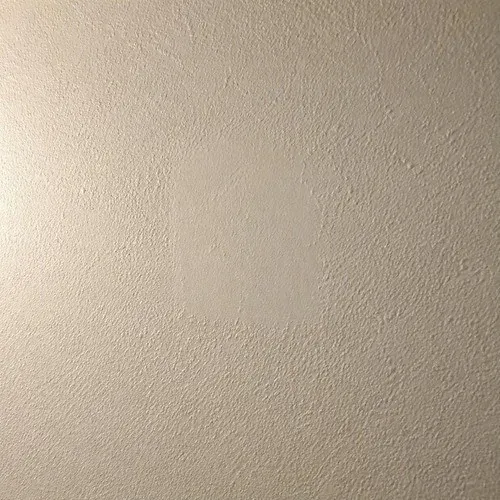
Not exactly, and neither can anyone. A good match lands around 85 to 95 percent, which in normal light is generally undetectable. We will show you what to expect before starting.
Send us a close-up photo with light crossing the surface at an angle and we will tell you. Most Niagara homes have stipple, popcorn or knockdown.
It can, if only the patch is painted, because fresh paint on a new patch reflects light differently from aged paint around it. Painting the full surface corner to corner solves it.
Yes. Walls are usually easier than ceilings for this, and the result modernises a room noticeably. It involves skim coating the full surface rather than just scraping.
For the best result, yes. It is the single biggest factor in whether a repair is noticeable, and it costs less than most people assume relative to the drywall work.
Yes. This comes up on additions and renovations where a new room needs to read as part of the existing home. Same matching limits apply, and having a large intact area nearby to work from helps considerably.
Stipple and popcorn texture removed, ceilings skimmed flat and left paint-ready. Asbestos testing first on pre-1990 texture.
Popcorn Ceiling Removal ›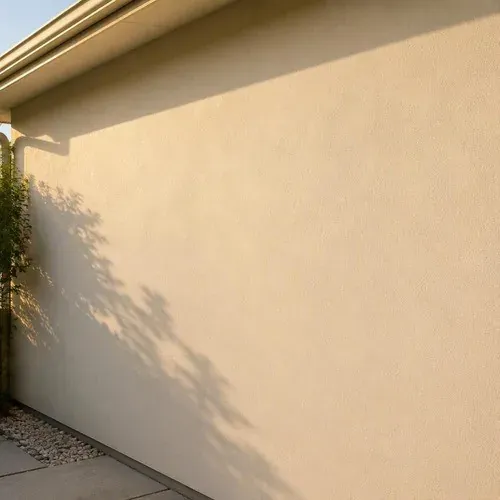
Cracked, chipped and crumbling stucco patched back to the surrounding texture, with the lath behind it put right first.
Stucco Repair ›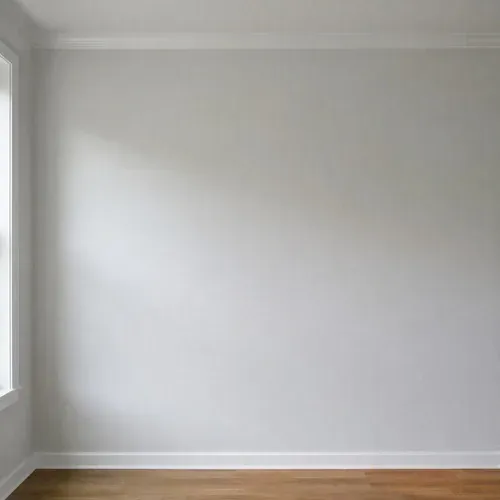
Doorknob holes, cracked seams, nail pops and impact damage patched and blended so you cannot find the repair afterward.
Drywall Repair ›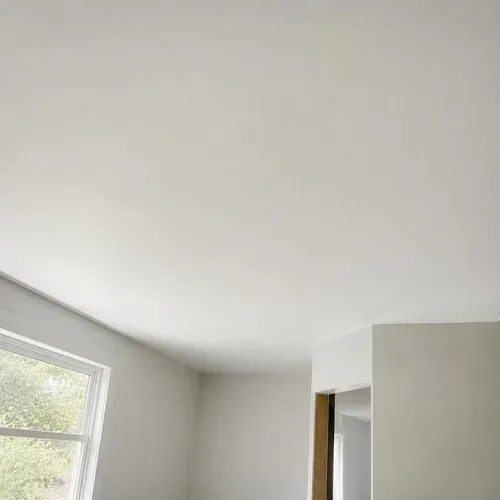
Recessed light holes plugged, mudded and textured out, including the ones left behind when a fixture layout changes.
Pot Light Hole Repair ›Tell us what you are dealing with and roughly where in Niagara you are. For repairs, a photo is usually enough for a number without a site visit.